
How to Deal with Fly Tipping
Fly tipping is a nuisance that affects communities across the UK. It’s frustrating, messy, and can be costly if left unresolved. So what’s the best way to deal with it? This article will go through what fly tipping is, how to report it, and most importantly – how to clear it quickly, legally, and smartly.
What is Fly Tipping?
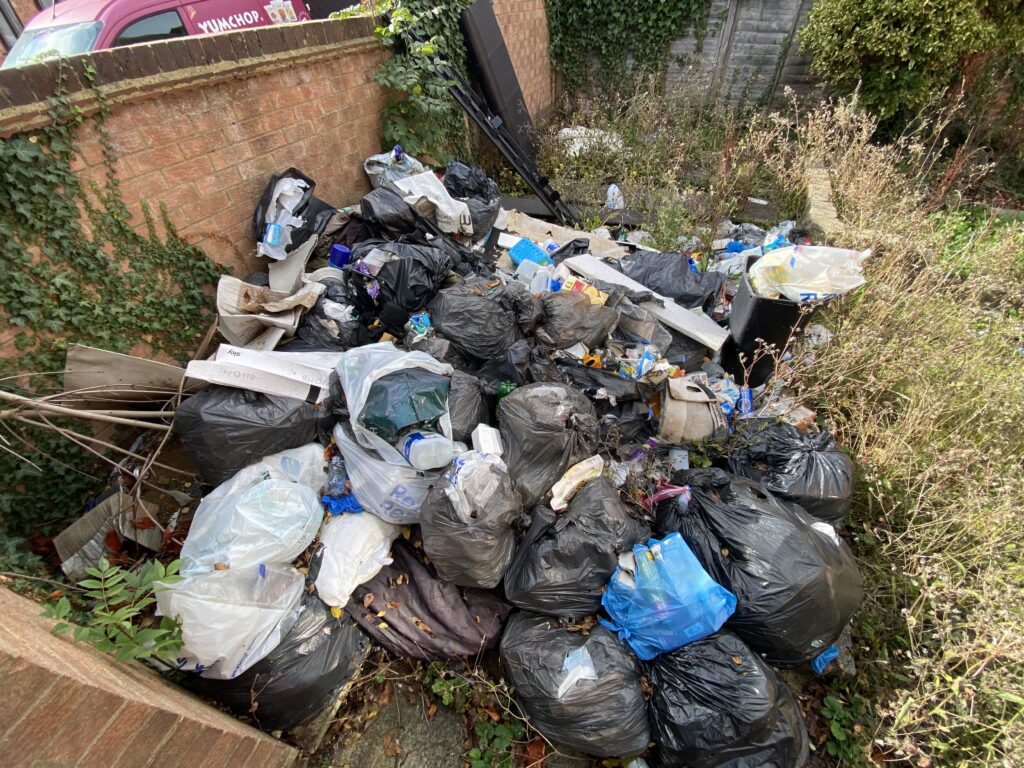
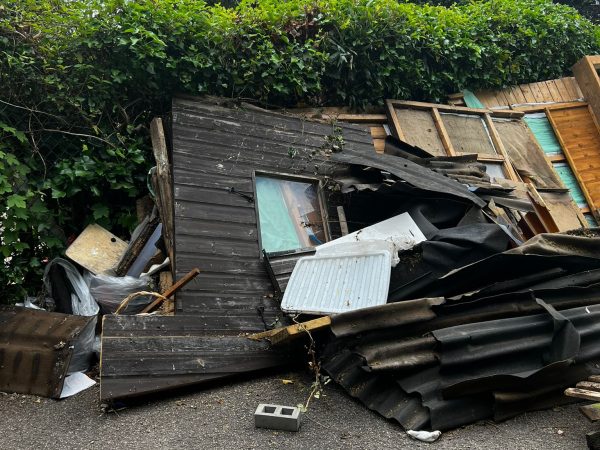
Fly tipping is the illegal dumping of waste on land that doesn’t have a licence to receive it – such as a roadside, alleyway, field or private property. This can include anything from building rubble to household furniture, white goods or bin bags full of general rubbish.
Is It A Criminal Offence?
Yes, fly tipping is a criminal offence. Those caught can face various levels of penalties, leading to fines of up to £50,000 or 12 months in prison.
Why is Fly Tipping a Big Problem in the UK?
Fly tipping isn’t just unpleasant to look at – it carries real risks:
- Health hazards from decaying rubbish and sharp or toxic materials.
- Harm to wildlife who may eat or get tangled in the waste.
- Fire risks, especially with dumped tyres or flammable materials.
- Costs to landowners and councils, often running into thousands.
Who is Responsible for Fly Tipped Waste?
The landowner is usually responsible, even if they didn’t dump the waste. That’s the frustrating bit. If it’s dumped on your property or land, you’ll need to arrange a waste removal service and possibly foot the cost.
This feels unfair, but the law places responsibility on the landowner or tenant. Councils will only get involved in clearing waste from public land or highways.
How to Report Fly Tipping? - In 3 Steps
Regardless of whether the rubbish is on private or public land, it’s always important to report it. Here’s how:
1. Don’t Touch It Just Yet
If you find fly tipped waste, especially on public land, don’t move it straight away. Disturbing it can make things worse, especially if there’s dangerous or contaminated material. If you witnessed someone in the act, try to get a description of the person, vehicle, and location – but never approach them.
2. Take Photos
Take a few photos from a safe distance. These are useful when reporting it and (if needed) for insurance or legal purposes.
3. Report to Your Local Council
Use your local council’s website or the GOV.UK fly tipping page to report the incident. If it’s on public land, they’ll usually send a team to deal with it.
What to Do if it’s On Your Private Land
If someone has dumped rubbish on your land, unfortunately it’s your problem to sort out – but you do have options.
Consider CCTV or Signage
Fly tippers tend to act quickly and under cover of darkness. Installing CCTV or even basic signage can act as a deterrent.
Use a Professional Clearance Company
It’s tempting to chuck the rubbish in your van and take it to the tip, but unless you’re licensed to carry and dispose of waste, you could be fined too.
At Laycie Services, we’re fully licensed waste carriers, so we can remove fly tipped waste properly, sort it for recycling, and provide documentation to show it’s been handled responsibly.
How to Prevent Fly Tipping Near Your Property
Prevention is always better than cure. While there’s no foolproof way to stop fly tippers, you can reduce your chances of being targeted.
- Keep gates locked to prevent easy vehicle access.
- Install motion activated lighting to spook potential tippers.
- Don’t leave rubbish out for long – if it looks like a dumping ground, others may join in.
Ready to Tackle the Mess?
If you’re staring at a pile of dumped waste and wondering what to do next – we’ve got you. Call Laycie Services today on 01908 382 455. We’ll clear it, sort it, and take that stress off your hands.